Padrão Observer em GO
William Prussak Macarini
06/12/2025Observer PatternPubSubBackendGO
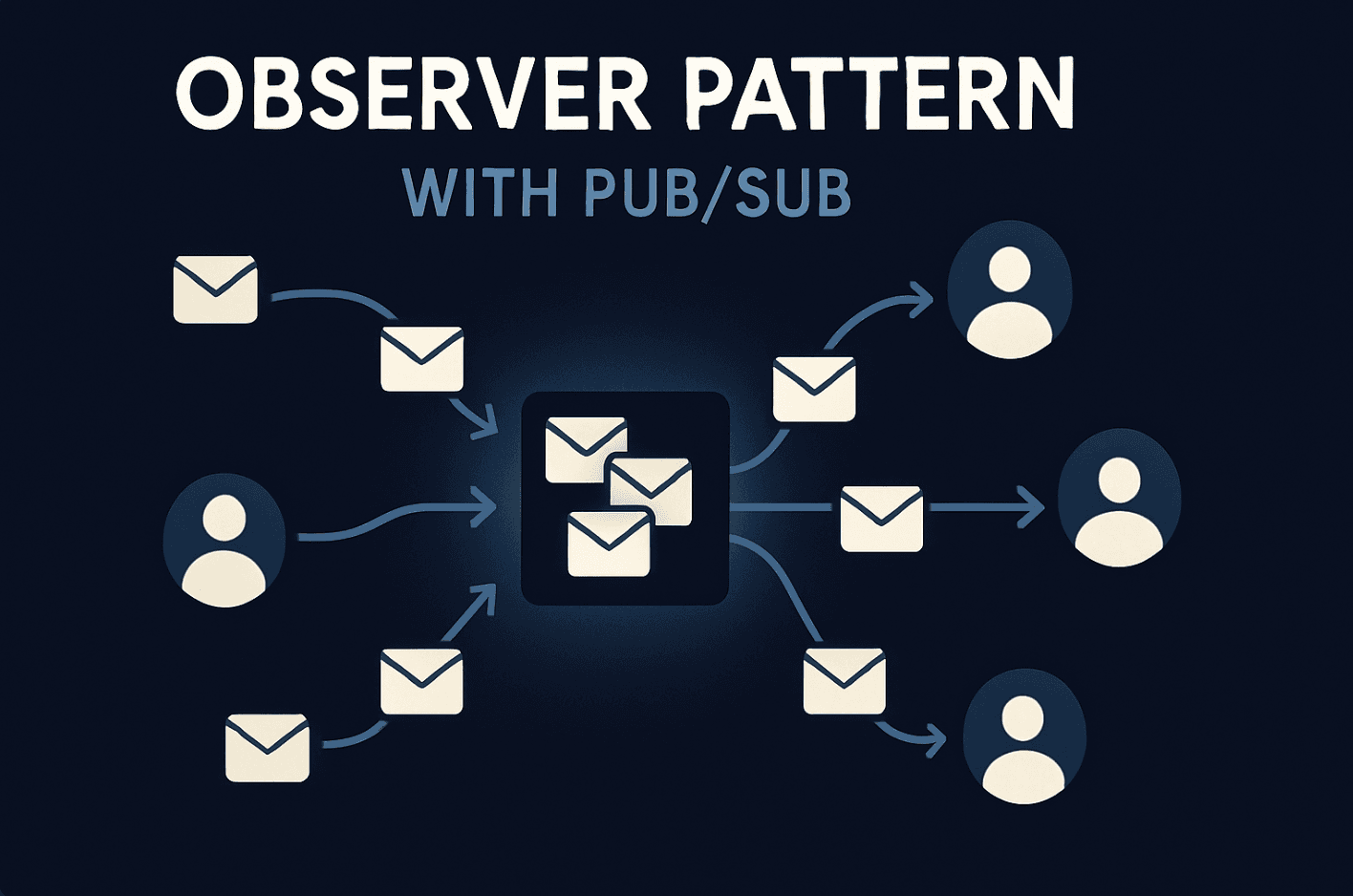
Resumo
// Package pubsub implementa um Pub/Sub intra-processo baseado em canais,
// ideal para fan-out de eventos dentro do mesmo binário, sem dependências externas.
package pubsub

import (
	"context"
	"sync"
)

// subscription é um identificador interno + canal de leitura que o assinante usa.
type subscription[T any] struct {
	id int
	ch <-chan T
}

// subscribeReq encapsula um pedido de inscrição feito ao hub.
type subscribeReq[T any] struct {
	buf  int                     // tamanho do buffer do canal deste inscrito (backpressure local)
	resp chan subscription[T]    // resposta: id + canal criado para o inscrito
}

// PubSub gerencia publicações e assinaturas por meio de um hub (uma goroutine).
// Não requer mutexes; todo o estado é manipulado dentro do loop do hub.
type PubSub[T any] struct {
	// Canais internos do hub
	pub      chan T            // recebe mensagens a serem entregues a todos os inscritos
	subReq   chan subscribeReq[T] // recebe pedidos de nova assinatura
	unsubReq chan int          // recebe pedidos de cancelamento por id de inscrição
	stop     chan struct{}     // sinaliza encerramento do hub

	once sync.Once // garante Close idempotente
}

// New cria a estrutura e inicia o loop do hub.
// Use sempre New para garantir que o hub foi iniciado.
func New[T any]() *PubSub[T] {
	ps := &PubSub[T]{
		pub:      make(chan T),
		subReq:   make(chan subscribeReq[T]),
		unsubReq: make(chan int),
		stop:     make(chan struct{}),
	}
	go ps.loop()
	return ps
}

// loop é a "central de eventos". Roda numa única goroutine.
// Ele:
// - cria canais por inscrito (com buffer customizável)
// - entrega mensagens para todos os inscritos
// - cancela inscrições e fecha os canais dos inscritos
// - fecha tudo ao receber stop
func (ps *PubSub[T]) loop() {
	subs := make(map[int]chan T) // id -> canal do inscrito (somente o hub escreve/fecha)
	nextID := 1

	for {
		select {
		case req := <-ps.subReq:
			// Novo inscrito: cria um canal somente deste inscrito.
			id := nextID
			nextID++
			ch := make(chan T, req.buf) // buffer escolhido pelo cliente
			subs[id] = ch
			// Responde com id e o canal de leitura.
			req.resp <- subscription[T]{id: id, ch: ch}

		case id := <-ps.unsubReq:
			// Cancelamento: o hub é o único que fecha o canal do inscrito.
			if ch, ok := subs[id]; ok {
				close(ch)
				delete(subs, id)
			}

		case msg := <-ps.pub:
			// Fan-out: tenta enviar para todos os inscritos.
			// Política: se o canal do inscrito estiver cheio, descartamos a mensagem para aquele inscrito,
			// evitando bloquear o hub (e, por consequência, todos os demais).
			for id, ch := range subs {
				select {
				case ch <- msg:
					// entregue com sucesso
				default:
					// Canal cheio: descartamos para este inscrito.
					// Em produção, incremente uma métrica (ex.: drops_total{subscriber_id}++).
					_ = id
				}
			}

		case <-ps.stop:
			// Encerramento: fecha todos os canais de inscritos, então sai.
			for id, ch := range subs {
				close(ch)
				delete(subs, id)
			}
			return
		}
	}
}

// Publish envia um evento para o hub. Retorna false se o PubSub já foi fechado.
// Observação: a publicação pode bloquear se o hub estiver momentaneamente ocupado lendo outros casos.
func (ps *PubSub[T]) Publish(msg T) bool {
	// Caminho rápido: se já fechou, não publique.
	select {
	case <-ps.stop:
		return false
	default:
	}

	// Tenta publicar, mas também aborta se fechar no meio do caminho.
	select {
	case ps.pub <- msg:
		return true
	case <-ps.stop:
		return false
	}
}

// Subscribe registra um novo inscrito com buffer 'buf'.
// Retorna:
// - ch: canal somente leitura com os eventos
// - cancel: função para desinscrever; o hub fechará 'ch'
func (ps *PubSub[T]) Subscribe(buf int) (ch <-chan T, cancel func()) {
	req := subscribeReq[T]{buf: buf, resp: make(chan subscription[T])}

	// 1) Envia a solicitação de inscrição, a menos que o hub já tenha sido fechado.
	select {
	case ps.subReq <- req:
	case <-ps.stop:
		// Se já fechou, retorne um canal fechado para não bloquear quem fizer range.
		c := make(chan T)
		close(c)
		return c, func() {}
	}

	// 2) Aguarda o retorno do hub com o id + canal do inscrito.
	var sub subscription[T]
	select {
	case sub = <-req.resp:
	case <-ps.stop:
		// Se fechar nesse meio tempo, retorne um canal fechado.
		c := make(chan T)
		close(c)
		return c, func() {}
	}

	// cancel informa ao hub que este inscrito não quer mais receber eventos.
	return sub.ch, func() {
		select {
		case ps.unsubReq <- sub.id:
		case <-ps.stop:
		}
	}
}

// SubscribeWithContext faz Subscribe e desinscreve automaticamente quando ctx.Done().
// Útil para vincular o ciclo de vida do inscrito ao de uma requisição/worker.
func (ps *PubSub[T]) SubscribeWithContext(ctx context.Context, buf int) (ch <-chan T) {
	ch, cancel := ps.Subscribe(buf)
	go func() {
		<-ctx.Done()
		cancel()
	}()
	return ch
}

// Close encerra o hub e fecha todos os canais dos inscritos (via loop).
// É seguro chamar múltiplas vezes.
func (ps *PubSub[T]) Close() {
	ps.once.Do(func() { close(ps.stop) })
}
package main

import (
	"context"
	"fmt"
	"time"

	"example.com/williammacarini/pubsub"
)

// Exemplo de payload do evento: atualização de preço.
type PriceUpdate struct {
	SKU   string
	Price float64
	Time  time.Time
}

func main() {
	// Cria o PubSub (genérico) para PriceUpdate.
	ps := pubsub.New[PriceUpdate]()
	defer ps.Close() // garante fechamento ao sair (fecha canais dos inscritos)

	// Inscrito "rápido": buffer maior => menor chance de drops.
	fastCh, fastCancel := ps.Subscribe(16)
	defer fastCancel() // cancela inscrição ao final

	// Inscrito "lento": buffer pequeno => tende a saturar e sofrer drops.
	ctx, cancel := context.WithCancel(context.Background())
	defer cancel()
	slowCh := ps.SubscribeWithContext(ctx, 2)

	// Consumer rápido: processa imediatamente (não dorme).
	go func() {
		for e := range fastCh { // range fecha naturalmente quando hub encerrar ou cancelar inscrição
			fmt.Printf("[FAST] %s -> %.2f\n", e.SKU, e.Price)
		}
		fmt.Println("[FAST] encerrado")
	}()

	// Consumer lento: simula trabalho custoso e acumula fila.
	go func() {
		for e := range slowCh {
			fmt.Printf("  [SLOW] %s -> %.2f\n", e.SKU, e.Price)
			time.Sleep(80 * time.Millisecond) // simula processamento lento (causa backpressure)
		}
		fmt.Println("  [SLOW] encerrado")
	}()

	// Publisher: gera 20 eventos rapidamente (mais rápido que o consumidor lento consegue processar).
	for i := 0; i < 20; i++ {
		ok := ps.Publish(PriceUpdate{
			SKU:   "ABC-123",
			Price: 100 + float64(i),
			Time:  time.Now(),
		})
		if !ok {
			// Se false, o hub foi fechado e não vale mais publicar.
			break
		}
		time.Sleep(10 * time.Millisecond) // pequena pausa entre eventos
	}

	// Cancela o inscrito lento após um tempo (dispara ctx.Done()).
	time.Sleep(500 * time.Millisecond)
	cancel()

	// Dá tempo para drenar as mensagens e imprimir a saída antes de encerrar.
	time.Sleep(300 * time.Millisecond)
}
Saída esperada (aproximada)
O padrão Observer em Go fica simples, performático e seguro quando modelado com um hub baseado em canais. A abordagem proposta elimina mutexes no caminho crítico, oferece tipagem forte com generics e permite controlar backpressure por inscrito. Em cenários intra-processo, esse pub/sub cobre a maioria dos casos de fan-out com baixo acoplamento e cancelamento limpo via context. Se houver necessidade de durabilidade, reprocessamento ou múltiplos serviços, é hora de migrar para um broker externo. Como próximos passos, escolha a política de backpressure adequada ao seu SLA e instrumente métricas (publicadas, entregues e descartadas) para operar o sistema com confiança.
Summary
// Package pubsub implements an in-process Pub/Sub using channels,
// ideal for event fan-out within a single binary without external dependencies.
package pubsub

import (
	"context"
	"sync"
)

// subscription holds the internal id and the read-only channel a subscriber consumes from.
type subscription[T any] struct {
	id int
	ch <-chan T
}

// subscribeReq wraps a subscription request sent to the hub.
type subscribeReq[T any] struct {
	buf  int                  // buffer size for this subscriber's channel (local backpressure)
	resp chan subscription[T] // response: id + created channel for the subscriber
}

// PubSub manages publications and subscriptions through a hub (single goroutine).
// No mutexes required; all state is mutated inside the hub loop.
type PubSub[T any] struct {
	// Hub internal channels
	pub      chan T               // receives messages to be delivered to all subscribers
	subReq   chan subscribeReq[T] // receives new subscription requests
	unsubReq chan int             // receives unsubscribe requests by subscription id
	stop     chan struct{}        // signals hub shutdown

	once sync.Once // ensures idempotent Close
}

// New creates the structure and starts the hub loop.
// Always use New to ensure the hub is running.
func New[T any]() *PubSub[T] {
	ps := &PubSub[T]{
		pub:      make(chan T),
		subReq:   make(chan subscribeReq[T]),
		unsubReq: make(chan int),
		stop:     make(chan struct{}),
	}
	go ps.loop()
	return ps
}

// loop is the "event center". It runs on a single goroutine.
// Responsibilities:
// - create per-subscriber channels (with custom buffer)
// - deliver messages to all subscribers
// - unsubscribe and close subscriber channels
// - close everything when stop is signaled
func (ps *PubSub[T]) loop() {
	subs := make(map[int]chan T) // id -> subscriber channel (only the hub writes/closes)
	nextID := 1

	for {
		select {
		case req := <-ps.subReq:
			// New subscriber: create a dedicated channel.
			id := nextID
			nextID++
			ch := make(chan T, req.buf) // buffer chosen by the client
			subs[id] = ch
			// Reply with id and read-only channel.
			req.resp <- subscription[T]{id: id, ch: ch}

		case id := <-ps.unsubReq:
			// Unsubscribe: the hub is the only one that closes subscriber channels.
			if ch, ok := subs[id]; ok {
				close(ch)
				delete(subs, id)
			}

		case msg := <-ps.pub:
			// Fan-out: try to send to all subscribers.
			// Policy: if a subscriber's channel is full, drop the message for that subscriber
			// to avoid blocking the hub (and thus everyone else).
			for id, ch := range subs {
				select {
				case ch <- msg:
					// delivered
				default:
					// Channel full: we drop for this subscriber.
					// In production, increment a metric (e.g., drops_total{subscriber_id}++).
					_ = id
				}
			}

		case <-ps.stop:
			// Shutdown: close all subscriber channels, then exit.
			for id, ch := range subs {
				close(ch)
				delete(subs, id)
			}
			return
		}
	}
}

// Publish sends an event to the hub. Returns false if the PubSub has been closed.
// Note: publish can block briefly if the hub is busy on other cases.
func (ps *PubSub[T]) Publish(msg T) bool {
	// Fast path: if already closed, don't publish.
	select {
	case <-ps.stop:
		return false
	default:
	}

	// Try to publish, but abort if closed in the meantime.
	select {
	case ps.pub <- msg:
		return true
	case <-ps.stop:
		return false
	}
}

// Subscribe registers a new subscriber with buffer 'buf'.
// Returns:
// - ch: read-only channel with events
// - cancel: function to unsubscribe; the hub will close 'ch'
func (ps *PubSub[T]) Subscribe(buf int) (ch <-chan T, cancel func()) {
	req := subscribeReq[T]{buf: buf, resp: make(chan subscription[T])}

	// 1) Send subscription request unless the hub is already closed.
	select {
	case ps.subReq <- req:
	case <-ps.stop:
		// If closed, return a closed channel so ranging over it doesn't block.
		c := make(chan T)
		close(c)
		return c, func() {}
	}

	// 2) Wait for hub to reply with id + channel.
	var sub subscription[T]
	select {
	case sub = <-req.resp:
	case <-ps.stop:
		// If it closes in the meantime, return a closed channel.
		c := make(chan T)
		close(c)
		return c, func() {}
	}

	// cancel notifies the hub this subscriber no longer wants events.
	return sub.ch, func() {
		select {
		case ps.unsubReq <- sub.id:
		case <-ps.stop:
		}
	}
}

// SubscribeWithContext does Subscribe and automatically unsubscribes when ctx.Done().
// Handy to bind a subscriber's lifecycle to a request/worker context.
func (ps *PubSub[T]) SubscribeWithContext(ctx context.Context, buf int) (ch <-chan T) {
	ch, cancel := ps.Subscribe(buf)
	go func() {
		<-ctx.Done()
		cancel()
	}()
	return ch
}

// Close shuts down the hub and closes all subscriber channels (via loop).
// Safe to call multiple times.
func (ps *PubSub[T]) Close() {
	ps.once.Do(func() { close(ps.stop) })
}
package main

import (
	"context"
	"fmt"
	"time"

	"example.com/williammacarini/pubsub"
)

// Example event payload: price update.
type PriceUpdate struct {
	SKU   string
	Price float64
	Time  time.Time
}

func main() {
	// Create generic PubSub for PriceUpdate.
	ps := pubsub.New[PriceUpdate]()
	defer ps.Close() // ensure hub shutdown on exit (closes subscriber channels)

	// "Fast" subscriber: larger buffer => fewer drops.
	fastCh, fastCancel := ps.Subscribe(16)
	defer fastCancel() // unsubscribe at the end

	// "Slow" subscriber: small buffer => more likely to saturate and drop.
	ctx, cancel := context.WithCancel(context.Background())
	defer cancel()
	slowCh := ps.SubscribeWithContext(ctx, 2)

	// Fast consumer: processes immediately (no sleep).
	go func() {
		for e := range fastCh { // range ends when the hub closes or we unsubscribe
			fmt.Printf("[FAST] %s -> %.2f\n", e.SKU, e.Price)
		}
		fmt.Println("[FAST] closed")
	}()

	// Slow consumer: simulates expensive work and builds up a queue.
	go func() {
		for e := range slowCh {
			fmt.Printf("  [SLOW] %s -> %.2f\n", e.SKU, e.Price)
			time.Sleep(80 * time.Millisecond) // simulate slow processing (causes backpressure)
		}
		fmt.Println("  [SLOW] closed")
	}()

	// Publisher: produce 20 events quickly (faster than the slow consumer can process).
	for i := 0; i < 20; i++ {
		ok := ps.Publish(PriceUpdate{
			SKU:   "ABC-123",
			Price: 100 + float64(i),
			Time:  time.Now(),
		})
		if !ok {
			// If false, hub is closed and we should stop publishing.
			break
		}
		time.Sleep(10 * time.Millisecond) // short pause between events
	}

	// Cancel the slow subscriber after a while (triggers ctx.Done()).
	time.Sleep(500 * time.Millisecond)
	cancel()

	// Give time to drain messages and print before exit.
	time.Sleep(300 * time.Millisecond)
}
Expected output (approximate)
The Observer pattern in Go becomes simple, fast, and safe when modeled with a channel-based hub. This approach removes mutexes from the hot path, provides strong typing via generics, and lets you control per-subscriber backpressure. For in-process scenarios, this pub/sub design covers most fan-out needs with low coupling and clean context-driven cancellation. If you need durability, replays, or multi-service delivery, it’s time to move to an external broker. Next steps: pick the backpressure policy that matches your SLA and instrument metrics (published, delivered, dropped) to operate the system with confidence.